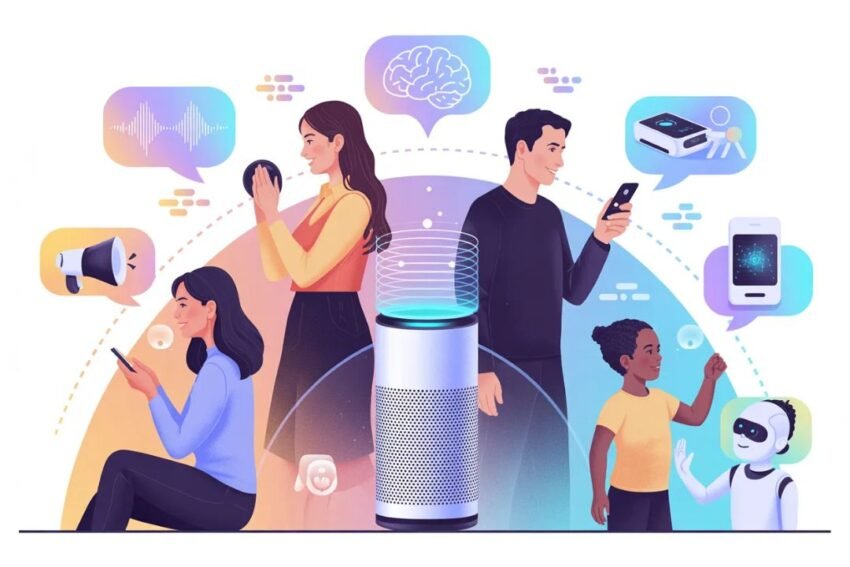
Smart AI assistants have evolved from simple voice-activated tools to intelligent, context-aware partners in our daily lives. In 2026, they are transforming how humans interact with technology—across work, education, healthcare, and personal productivity. From automating repetitive tasks to providing real-time insights, AI assistants are bridging the gap between human intelligence and machine capabilities.
This SEO-optimized article explores how smart AI assistants are changing human-technology interaction, their benefits, applications, challenges, and the future of these digital partners.
🚀 What Are Smart AI Assistants?
Smart AI assistants are software programs powered by artificial intelligence, natural language processing (NLP), and machine learning that can understand, learn, and respond to human commands.
Unlike traditional tools, smart AI assistants:
- Understand context and intent
- Learn from user behavior
- Provide personalized responses
- Automate tasks proactively
Examples in 2026:
- ChatGPT – Conversational AI for productivity and content creation
- Siri – Personal assistant across Apple devices
- Alexa – Smart home and daily task management
🧠 How AI Assistants Are Changing Human-Technology Interaction
Smart AI assistants are reshaping interaction by making technology:
1. More Conversational
- Users no longer need to navigate complex menus or interfaces.
- AI understands natural language and responds like a human.
2. More Context-Aware
- AI can remember past interactions and anticipate needs.
- Example: Scheduling meetings based on your habits or suggesting tasks proactively.
3. More Efficient
- Automates repetitive tasks such as emails, reminders, or data entry.
- Reduces human error and increases productivity.
4. More Personalized
- Learns user preferences over time.
- Provides tailored recommendations for work, shopping, or entertainment.
🛠️ Applications of Smart AI Assistants in 2026
1. Work and Productivity
- Automates meeting scheduling and reminders
- Drafts reports, emails, and content using tools like ChatGPT
- Manages workflows and integrates with apps via Zapier
2. Healthcare
- Assists in symptom checking and patient monitoring
- Provides personalized health recommendations
- Supports telemedicine by streamlining data input
3. Education and Learning
- Offers personalized tutoring and study plans
- Generates practice problems or explanations on demand
- Helps teachers with grading, lesson planning, and feedback
4. Smart Homes and IoT
- Controls smart devices via voice commands
- Optimizes energy use and automates daily routines
- Integrates with security, lighting, and home appliances
5. Entertainment and Creativity
- Suggests movies, music, or content based on preferences
- Assists creators in writing, designing, and video editing
💡 Benefits of Smart AI Assistants
- Time-Saving: Automates repetitive tasks
- Increased Productivity: Helps manage complex workflows efficiently
- Enhanced Decision-Making: Provides insights and suggestions based on data
- Accessibility: Assists users with disabilities by providing voice control and predictive suggestions
- 24/7 Availability: AI assistants work continuously without breaks
⚠️ Challenges and Risks
While smart AI assistants offer significant advantages, there are important considerations:
1. Privacy Concerns
- AI collects personal data to provide personalized responses.
- Users must trust platforms to handle sensitive information securely.
2. Over-Reliance
- Dependence on AI for basic tasks may reduce human problem-solving skills.
3. Bias and Fairness
- AI systems may inherit biases from training data.
- Ensuring ethical AI requires monitoring and correction.
4. Technical Limitations
- AI may struggle with ambiguous commands or complex contexts.
- Continuous updates and learning are required to maintain accuracy.
🔮 Future Trends in Human-AI Interaction
1. Hyper-Personalized Experiences
AI assistants will anticipate needs before users even ask, providing tailored suggestions across all devices.
2. Multimodal Interaction
Combining voice, text, gesture, and visual inputs for a seamless experience.
3. AI Collaboration Tools
Assistants will co-create content, analyze data, and collaborate with humans in real time.
4. Emotionally Intelligent AI
Future AI will detect emotions and respond empathetically, improving communication and support.
5. Decentralized and Secure AI Assistants
Privacy-focused AI assistants will process data locally on devices while maintaining intelligence.
🧩 How to Use AI Assistants Effectively
- Start Small: Begin with simple tasks like scheduling or reminders.
- Integrate Gradually: Connect AI assistants with your apps and workflow.
- Monitor Outputs: Always check AI recommendations for accuracy.
- Balance Automation and Human Judgment: Use AI to enhance, not replace, decision-making.
- Stay Updated: AI capabilities evolve rapidly; keep learning new features.
✅ Conclusion
Smart AI assistants are redefining human-technology interaction in 2026, making devices smarter, workflows more efficient, and digital experiences more personalized. From productivity and healthcare to education and entertainment, these AI tools are bridging the gap between human intelligence and technology.
By understanding their capabilities, benefits, and limitations, users can harness AI assistants responsibly to boost efficiency, enhance creativity, and simplify daily tasks—while maintaining control over privacy and decision-making.